Episode 05 - Expensive Mistakes
by dodger-one
Expensive Mistakes
This episode will be short in terms of content, but very, very long in terms of actual time spent…
I will cover several different stages of the development process so there is only one “Mistakes” episode.
Maybe two. :rofl:
PAM8302
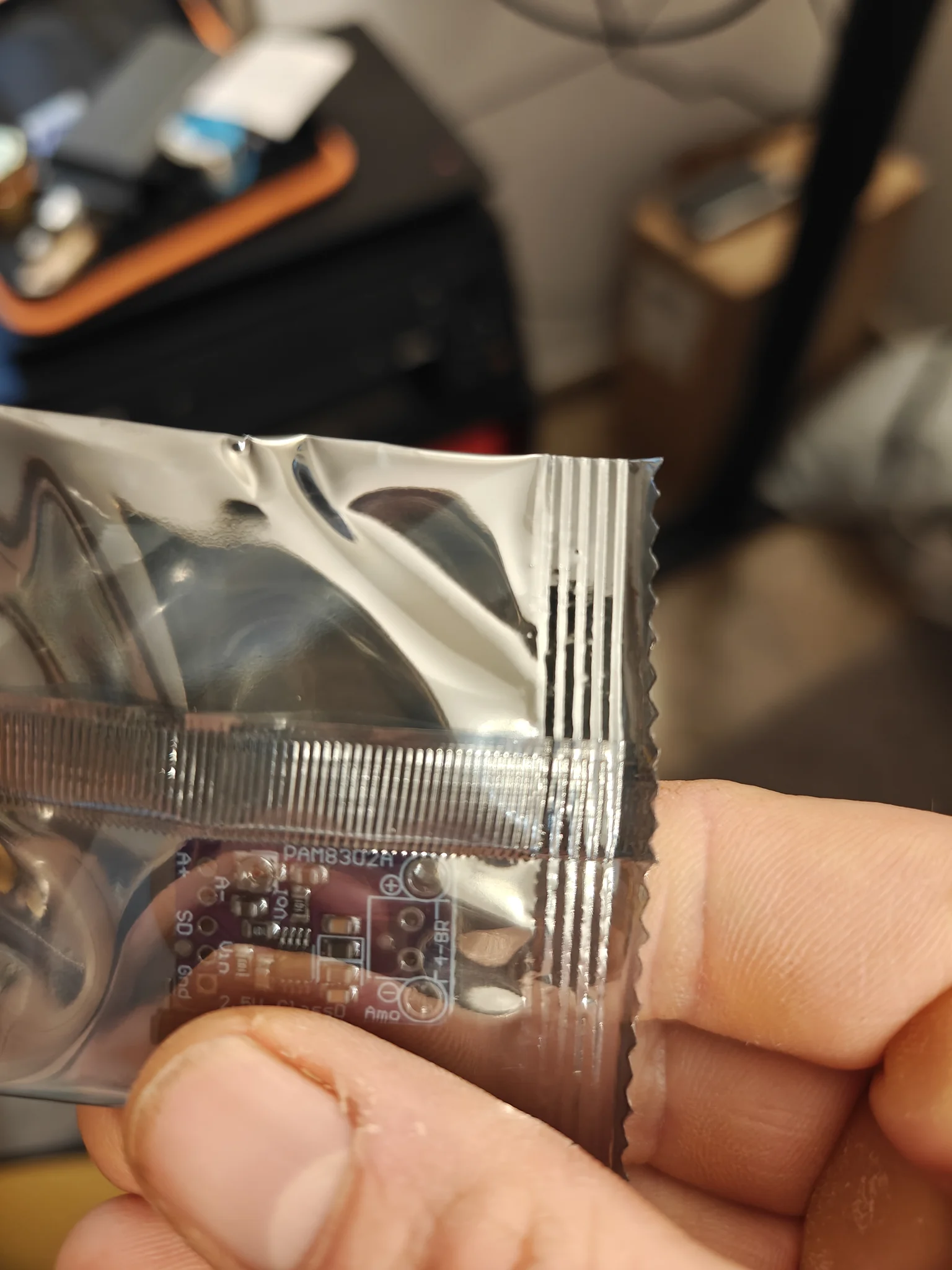
By mistake, I purchased the famous PAM8302 amplifier. At first, I thought it would be a great option for the audio subsystem of the PicoDMG.
Until I realized that the emulator only supports the MAX98357A for audio output.
The MAX98357A decodes digital audio, while the PAM8302 only amplifies an analog signal.
So I put the PAM8302 aside and ordered a MAX98357A instead. :lol:
Audio jack
Still on the audio path, I purchased an audio jack that seemed perfect for fitting inside the original Game Boy shell.
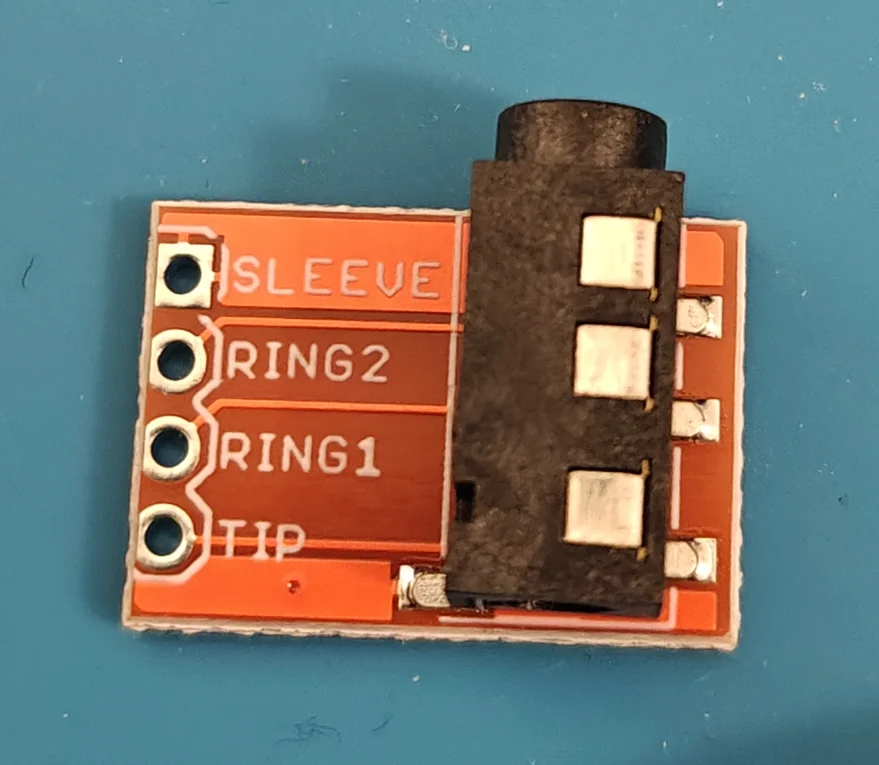
When it arrived, and after a meticulous inspection, I realized it didn’t include the physical switching mechanism used by the original Game Boy audio jack.
That means if I wire it on the same bus as the speaker, I will end up with audio coming out of both the speaker and the headphones at the same time… xD
I also put this aside together with the PAM8302 for future projects. :lol:
Cracking screens
Because shitz happenz… :-(
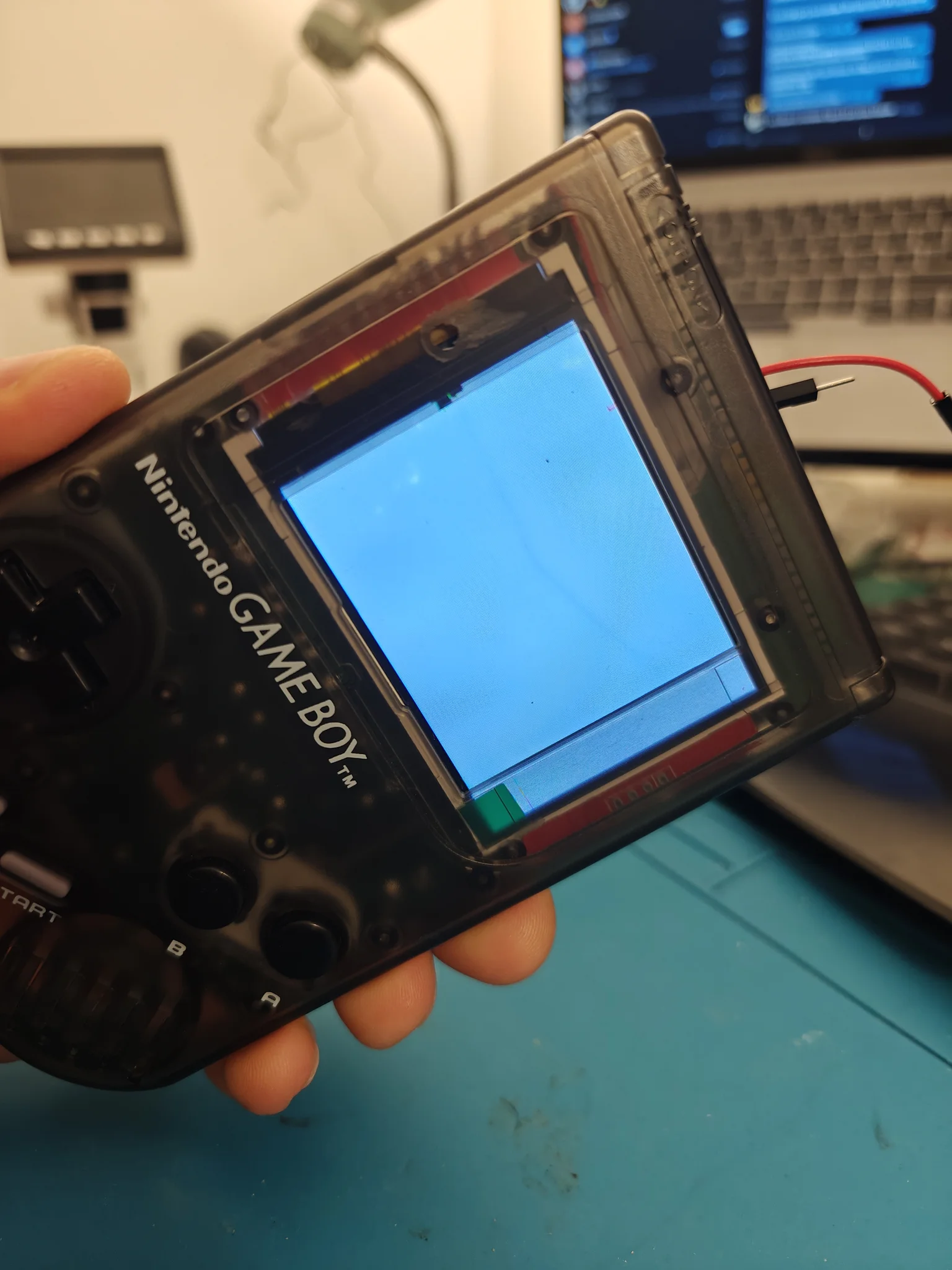
During my early RP2350 tests I noticed a strange line across the TFT.
After a closer inspection, I discovered the problem.
I had cracked the display. :-(
Switch from RP2040 to RP2350 (Pico 2)
This wasn’t really a mistake.
But it generated an enormous amount of wasted time.
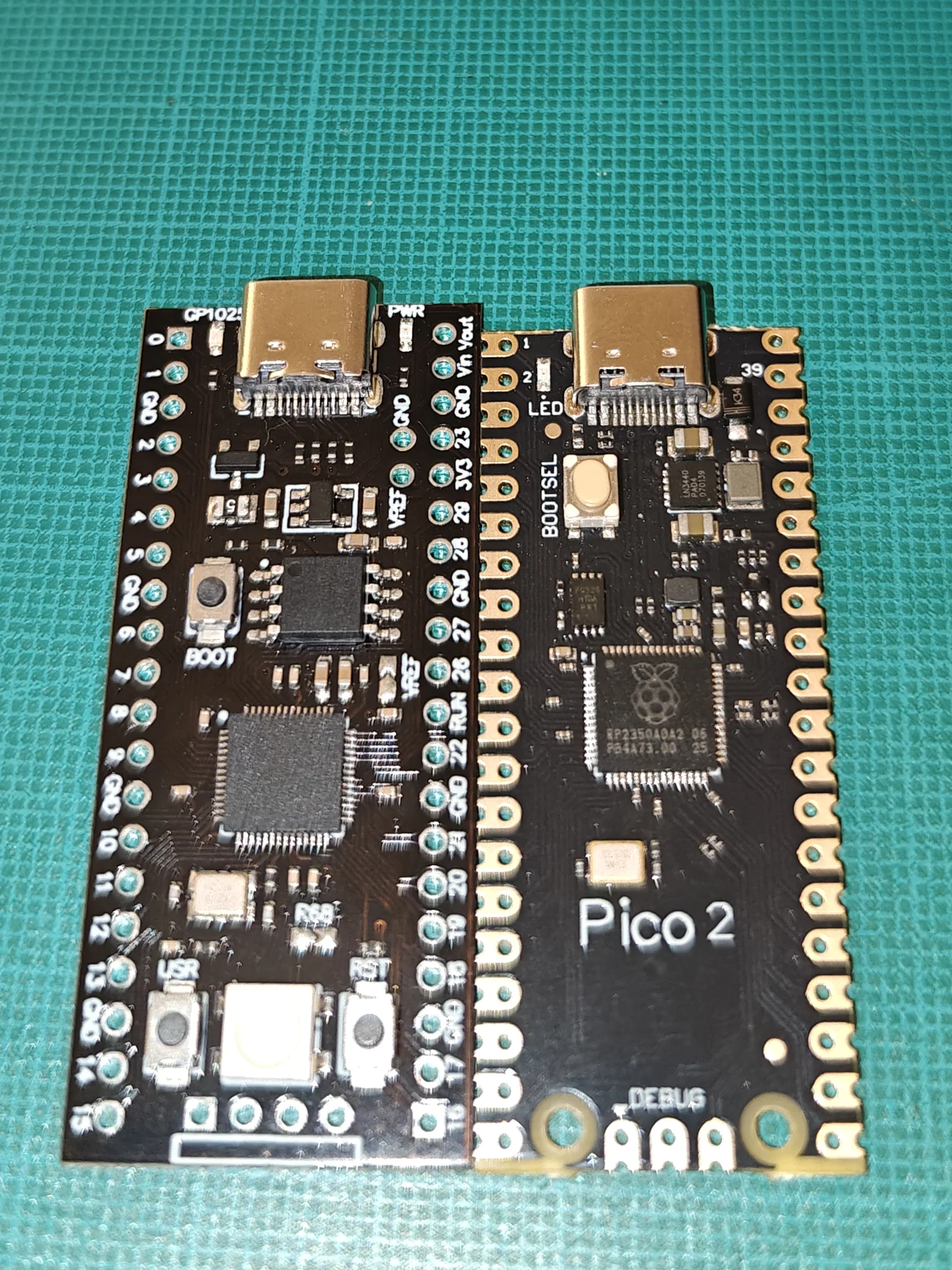
Pico 2 debugging
First debugging attempt using the embedded UART port: FAIL.
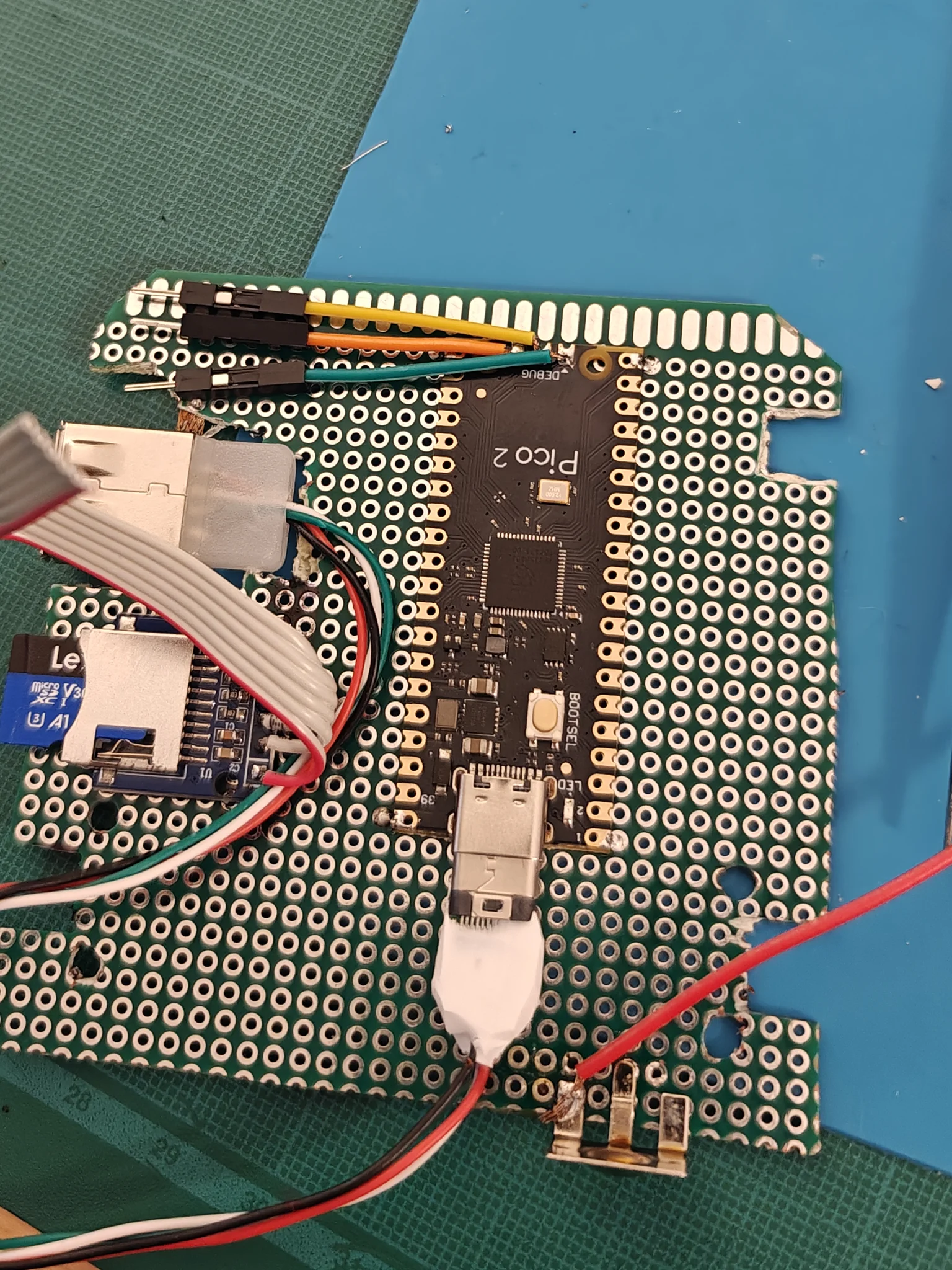
Second debugging attempt using the default GPIO UART port: FAIL.
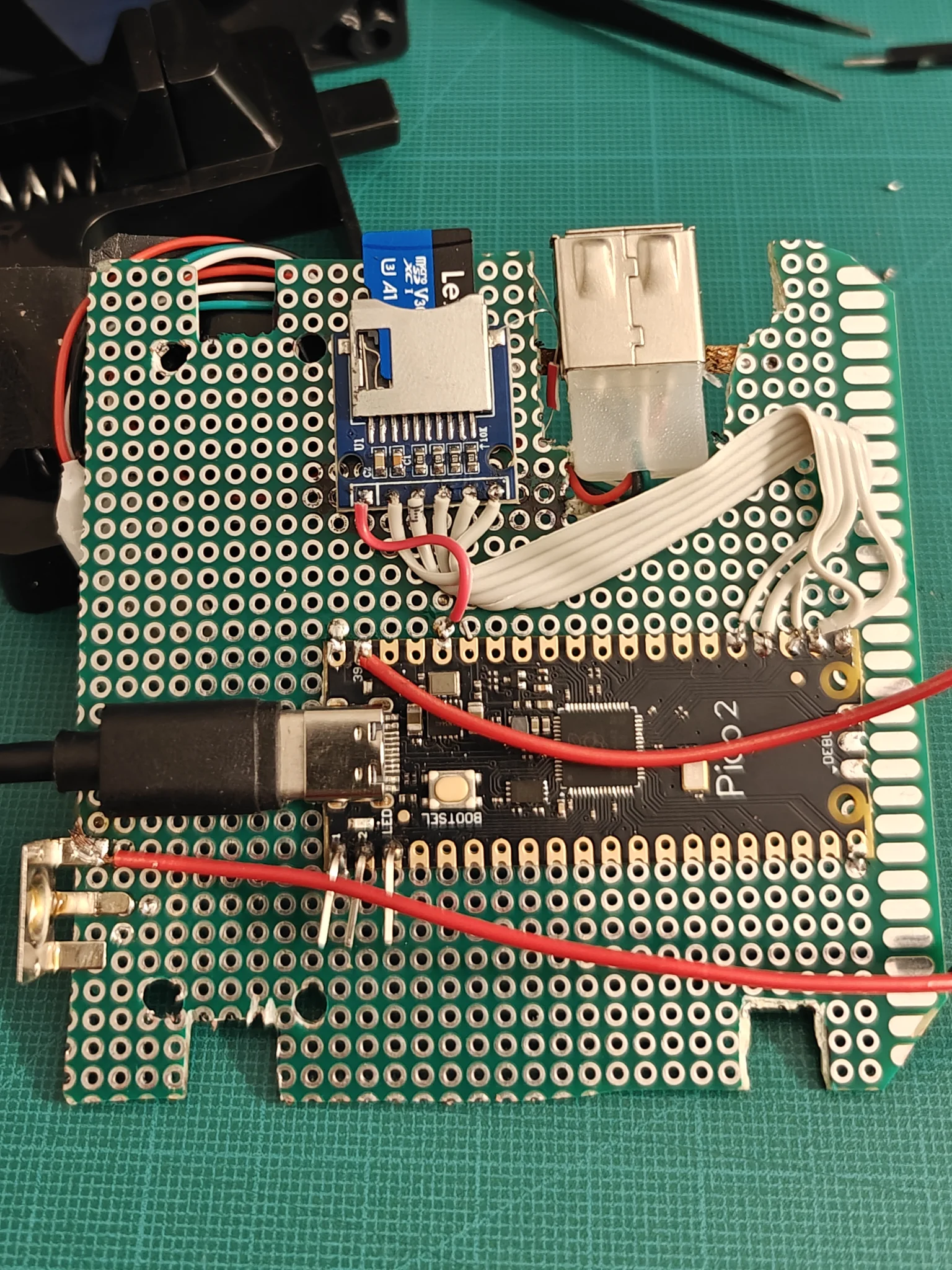
At this point I was starting to suspect the problem might not be the hardware…
Pico 2 screen “crap”
This is the holy grail of mistakes in this project.
In fact, it was such a disaster that I ended up writing a separate technical postmortem about it.
Along with the RP2040 → RP2350 migration, I also decided to move from the original C/Pico-SDK version of the emulator based on the excellent YouMakeTech Pico-GB project to the newer Rust-based RP2350 implementation from Altaflux.
Since it was already running on the RP2350 and the codebase looked more modern than the original C implementation, it seemed like a logical step forward.
The first challenge wasn’t getting the emulator running.
It was getting anything on the display.
I was only getting a completely white screen, like the one shown earlier in the cracked screen section.
The first thing I did was rewire everything.
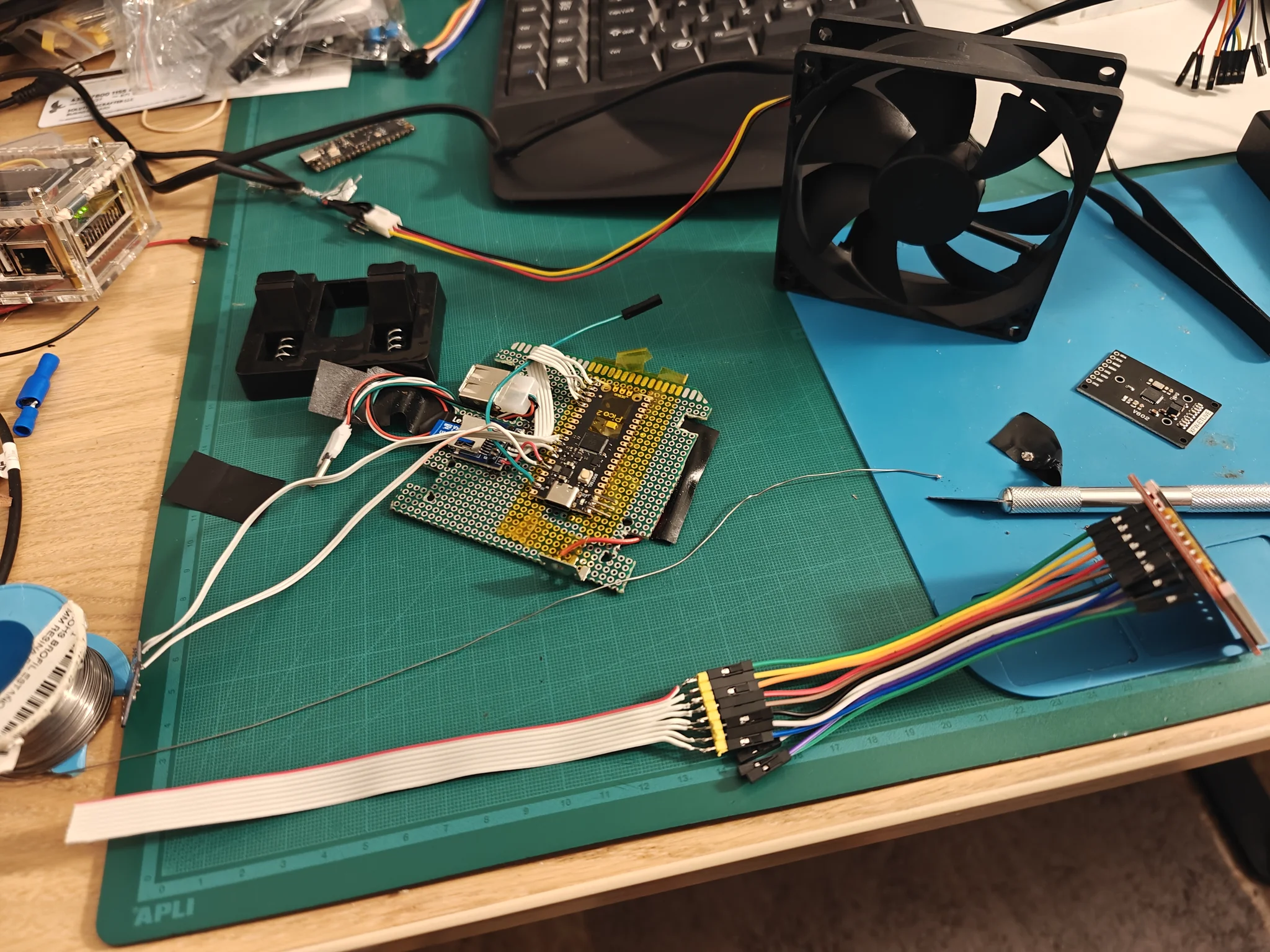
Just to eliminate any possible wiring issues.
Then I spent several days running tests (see the technical document for details), and eventually I managed to get the display smoke test working.
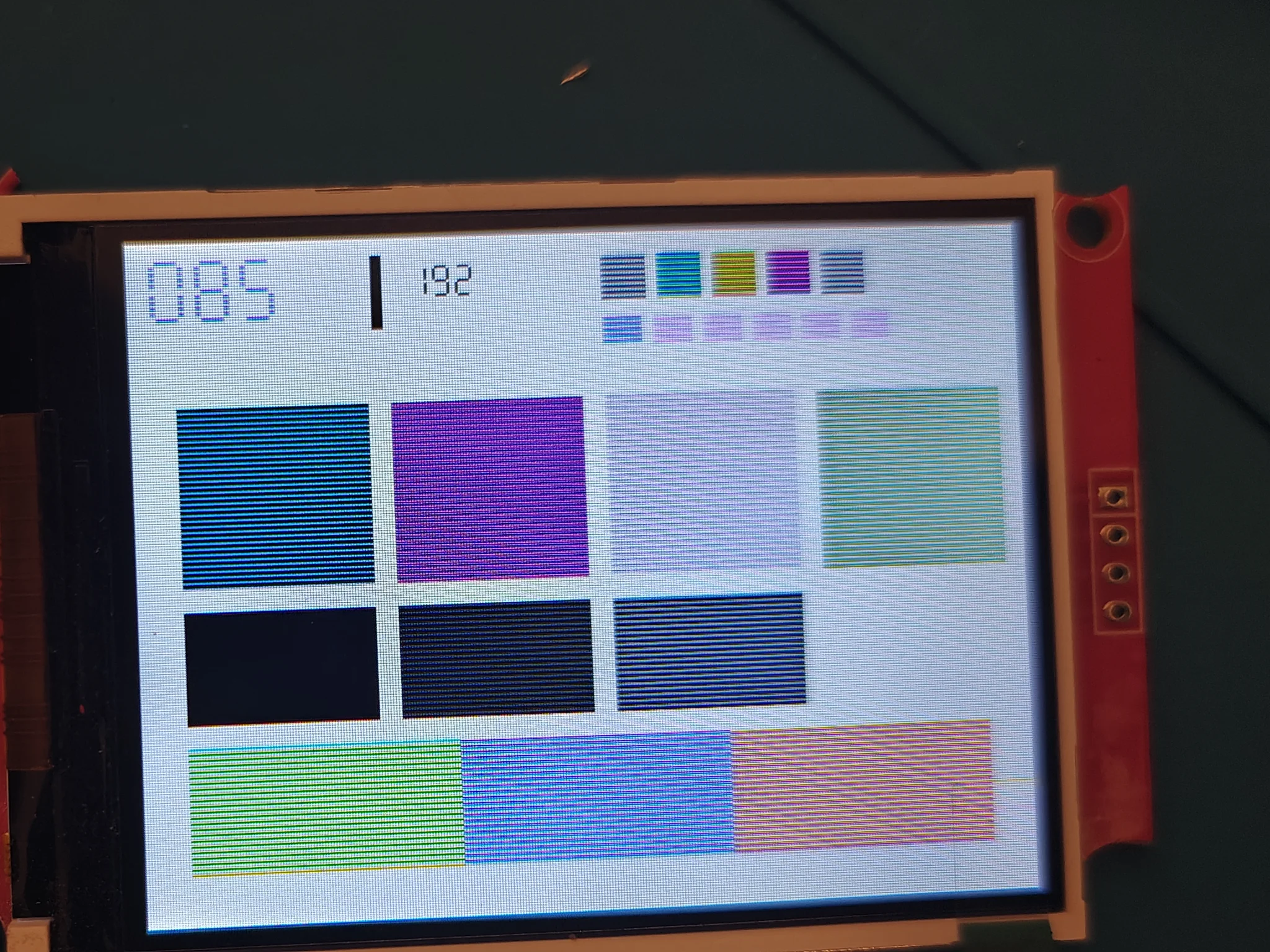
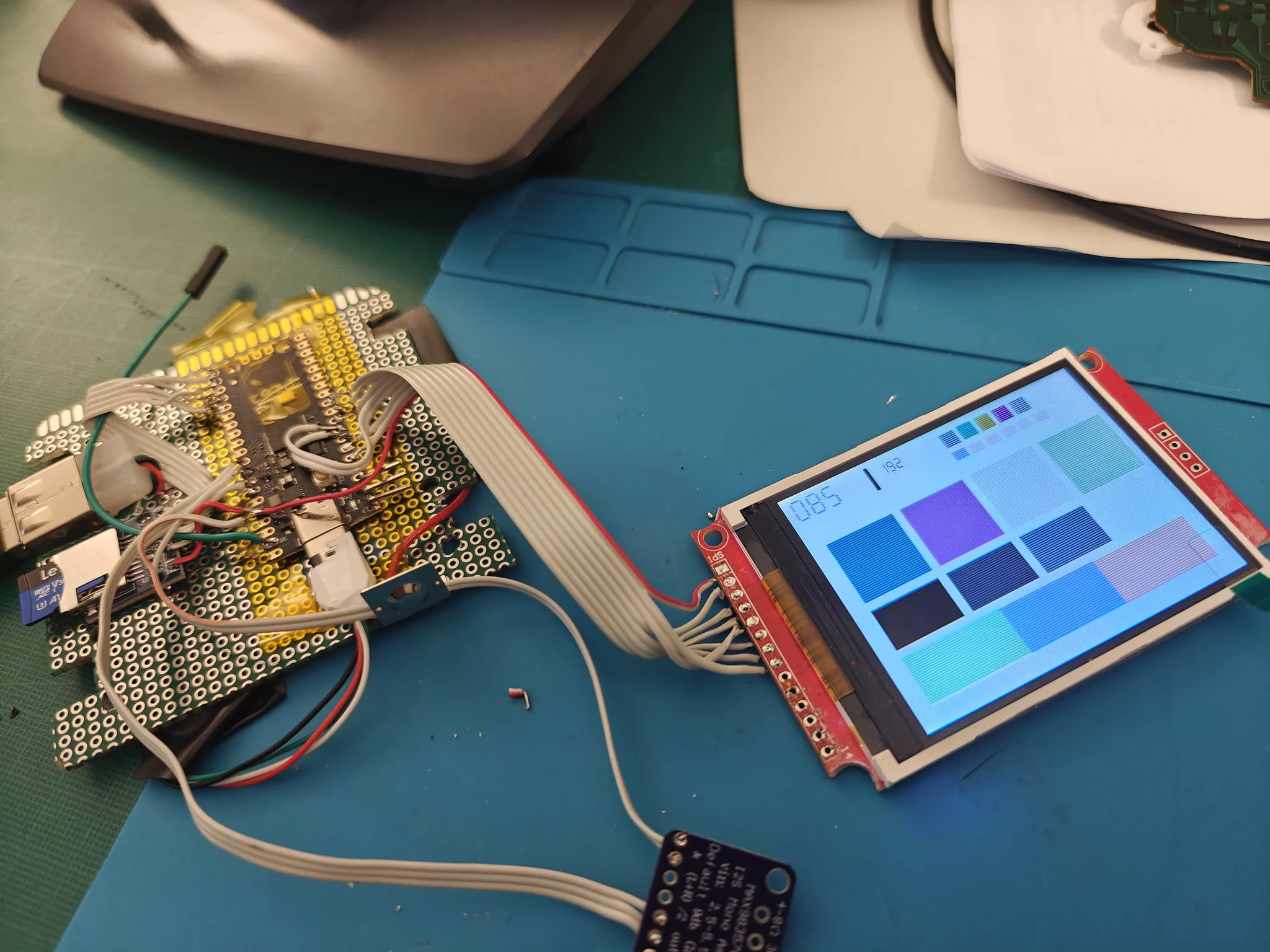
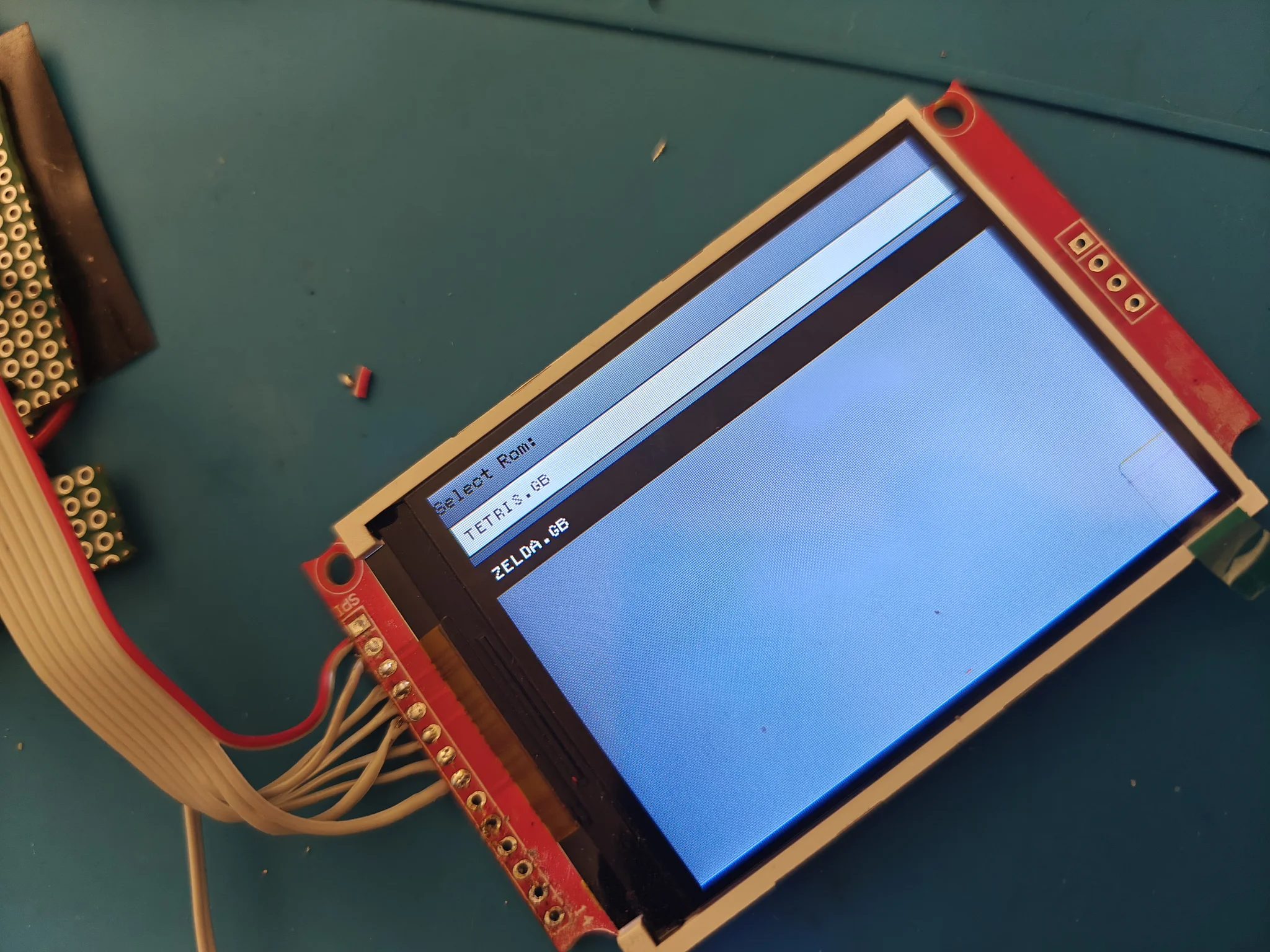
After applying those settings to the emulator, I finally got the ROM selection menu on screen.
And finally, the greatest Game Boy game ever made booted.
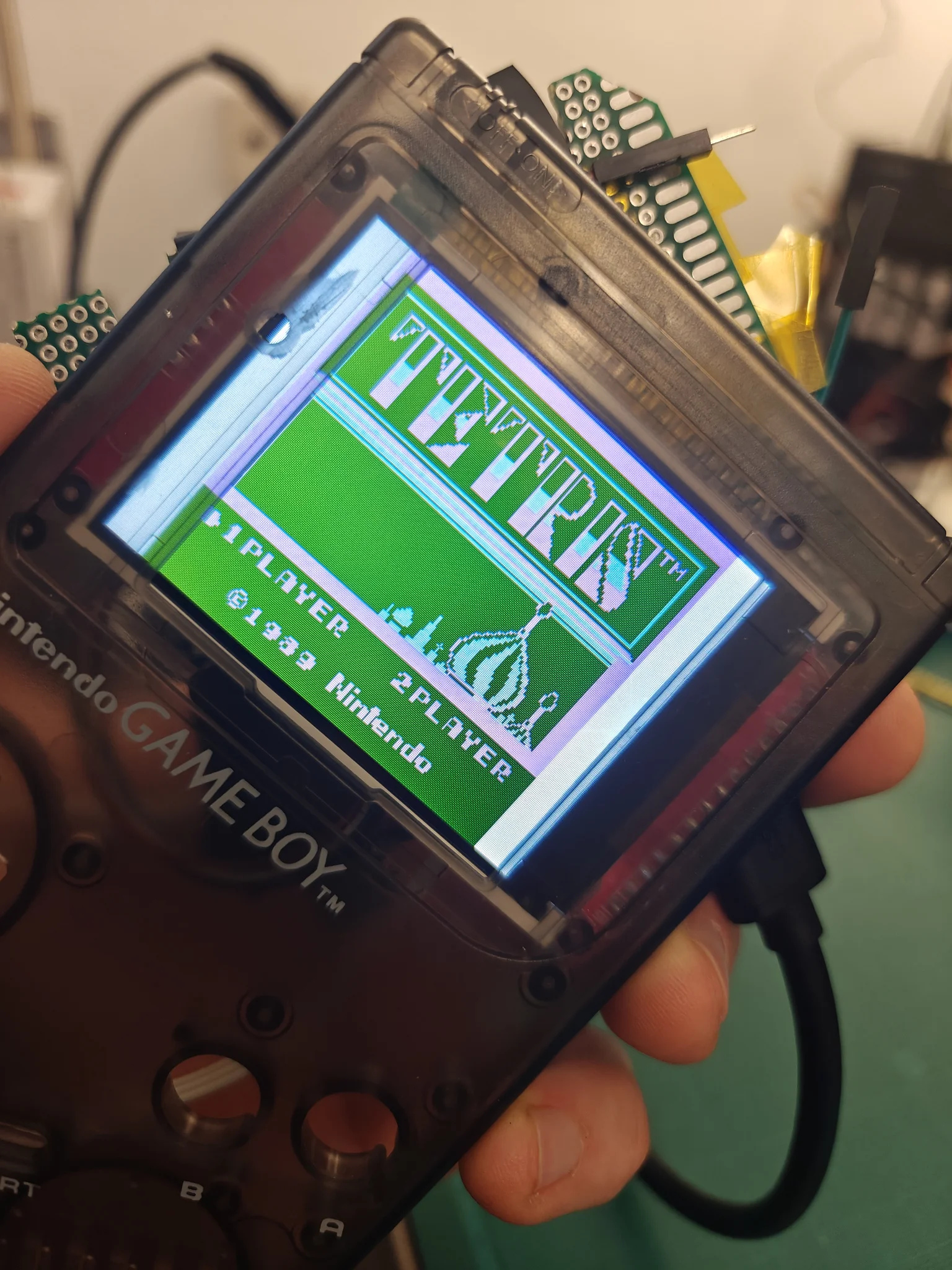
But then came the biggest WTF moment of the entire process.
What happened to the music?
I added additional debug information to the CDC console and quickly discovered the problem.
The emulator was running extremely slowly.
I was getting around 10 FPS.
Can you imagine trying to play a Game Boy game at 10 FPS?
Just to be sure, I checked the original Game Boy frame rate again.
Around 60 FPS.
I didn’t give up immediately.
I spent almost a full week testing different optimizations, trying alternative display configurations, reverting changes, profiling code, reading documentation and generally chasing ghosts.
Eventually I accepted reality.
The Rust version simply wasn’t performing well enough for my use case.
I rolled back to the original C/Pico-SDK implementation and immediately got around 30 FPS on the RP2040 without any kind of optimization, which was already significantly better than the ~10 FPS I was getting from the Rust version on the RP2350.
Almost two weeks spent on this adventure. :rofl:
In the end, I learned an important lesson.
Just because a codebase is newer doesn’t mean it is better suited for your project.
After nearly two weeks of debugging, testing and frustration, I decided to go back to the C/Pico-SDK version and continue moving forward.
Sometimes the fastest way forward is admitting that a detour was a mistake.